Residential cause & origin leak investigation
Find where the water story starts.
Unexplained moisture needs a careful look. Trace recurring dampness and mystery leaks in your home with an investigation built around the evidence.
Request service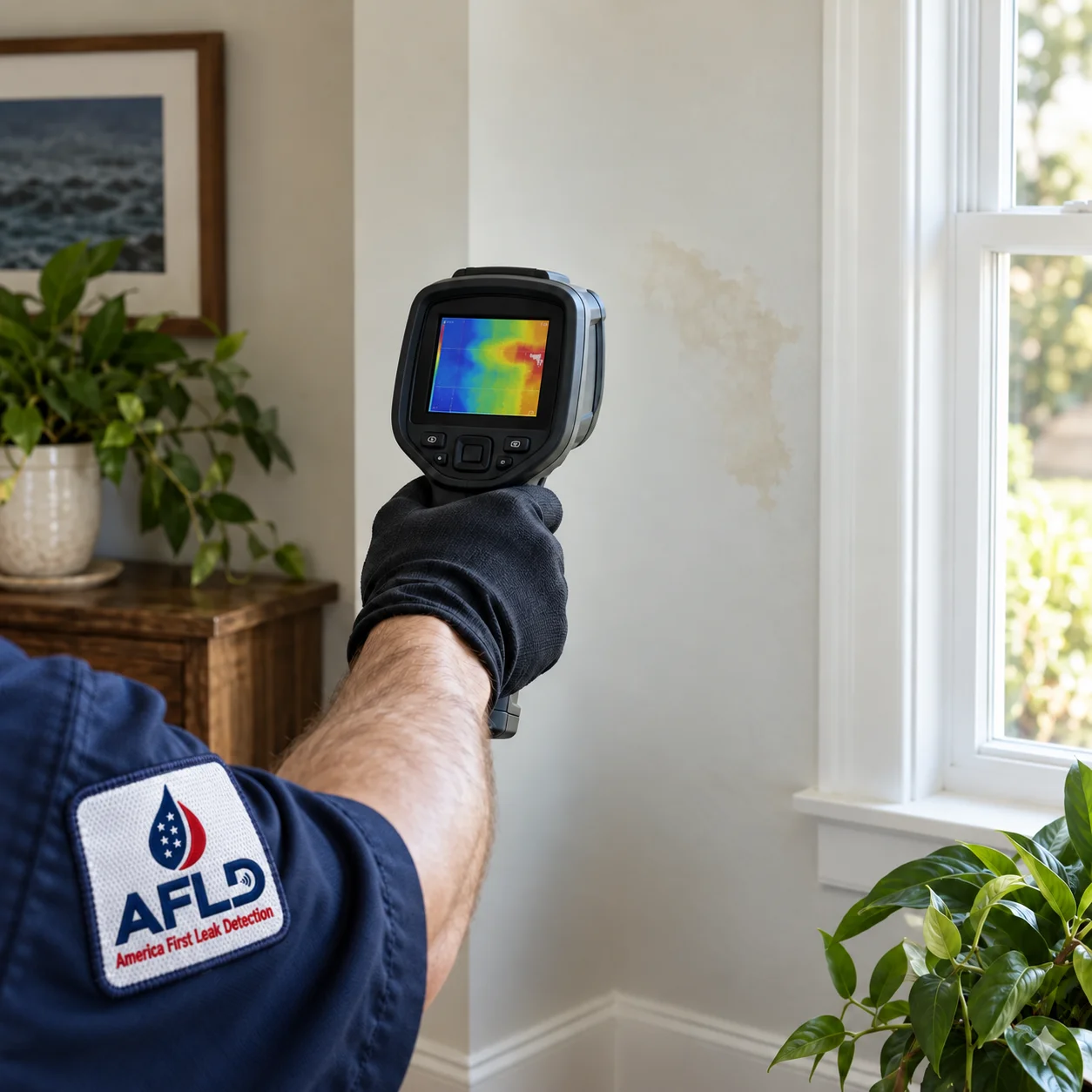
A closer look
Understand the problem.
Plan the next step.
Moisture can travel through building materials before it becomes visible. The cause may involve plumbing, water entering from outdoors, condensation or several issues together. Understanding when the symptom appears and how it changes helps shape a residential cause and origin investigation.
Following the reported pattern
Share where dampness appears, how long it has been present and whether weather or water use changes it. A visible stain may be a symptom rather than the point of entry. The investigation considers plausible sources before selecting targeted checks.
Measurements in context
Moisture meters and thermal observations can help identify areas for a closer look. Their readings need context and do not replace confirmation of the suspected cause. Available access and the materials involved affect the investigation.
Preparing for follow-up
Keep photographs and earlier repair details available. Discuss any proposed access to concealed areas and confirm the agreed scope. Findings help determine whether plumbing, roof leak detection or another specialist investigation is the appropriate next step.
Before your appointment
A few helpful answers.
Have a different question? Include it with your service request.
Frequently asked questionsWill finding the leak damage my property?
The investigation starts with methods that aim to limit disruption, such as acoustic listening and moisture measurements. Some situations need access to concealed areas. Any proposed access should be discussed with you before work proceeds.
Can you investigate a pool that keeps losing water?
Pool investigations can consider the shell, fittings, and connected plumbing. A bucket test can help compare pool water loss with evaporation before an appointment.
How should I prepare for a visit?
Note when you first noticed the problem, gather recent water-use records if available, and identify accessible shutoff valves. Share any access restrictions and keep the affected area accessible.
What happens after the leak investigation?
You receive an explanation of the observations and the recommended next step. Detection and repair are different scopes of work; confirm what is included when the service is arranged.